Articles by "Tech"

Showing posts with label Tech. Show all posts

Qualcomm: 5G worth $12 trillion by 2035
SHANGHAI- 5G technology could provide a $12 trillion revenue opportunity by 2035, U.S. Qualcomm CEO Steve Mollenkopf said during a keynote presentation at Mobile World Congress Shanghai. Mollenkopf said that this figure is a potential revenue target from 5G-related goods and services globally. The automotive industry alone could generate a revenue opportunity of $2.4 trillion, he added.

According to estimates from the U.S. chipmaker, the economic impact to the 5G value chain in China, Korea and Japan by 2035 could reach $1.6 trillion, while 12.5 million jobs could be created in that timeframe in those regions.

The executive also highlighted that there is still much to be done in the 4G space, particularly with new gigabit LTE networks, which he described as paving the way to future 5G deployments.
“Gigabit LTE is here. We’re on our second generation of gigabit LTE. Twenty operators worldwide are deploying it. It’s the first step towards the enhanced mobile broadband experience of 5G,” he said.
During Mobile World Congress Shanghai, the California-based company announced new products including its Snapdragon automotive platforms, which were selected for inclusion in the next-generation of infotainment systems in Chinese car maker Geely Auto Group vehicles, which also owns Volvo.
Geely vehicles featuring Snapdragon automotive platforms are expected to be available from 2020 onward. Select Geely models are expected to use the Snapdragon 820Am variant of the platform with an integrated X12 LTE modem, supporting up to 600 Mbps downlink and 150 Mbps uplink speeds. This solution is designed to provide in-car cloud connectivity to support key features, such as over-the-air updates, navigation with real-time updates, news and local information, emergency assistance and diagnostics.
Qualcomm also launched its Snapdragon Wear 1200 platform, offering low-power NB-IoT support for wearables, targeting child, pet, elderly and fitness trackers. Snapdragon Wear 1200 is a multimode platform for targeted purpose wearable spaces where consumers are demanding a smaller size, longer battery life, smarter sensing, constant location and robust security, Qualcomm said.
The solution also features an integrated applications processor for Linux and ThreadX based applications and is scalable to support voice over LTE, Wi-Fi, and Bluetooth.

Xbox game sale cuts prices on Prey, Wildlands, Injustice 2 and more
Microsoft is currently running a massive sale on digital versions of Xbox One and Xbox 360 games. The Ultimate Game Sale’s best deals go to Xbox Live Gold members, with discounts as high as 70 percent off some titles.
Here’s a smattering of the newest Xbox One titles currently available through the promotion. Follow the link above for deals on Xbox 360 games as well.
  • Injustice 2 is 15 percent off, 25 percent off for Gold members.
  • Ghost Recon Wildlands Standard Edition is 25 percent off, 35 percent off for Gold members.
  • Mass Effect: Andromeda is 40 percent off, 50 percent off for Gold members.
  • Prey is 10 percent off, 17 percent off for Gold members.
  • The Elder Scrolls Online: Morrowind including the base game at 25 percent off, 35 percent off for Gold members. The upgrade for current owners of TESO is also on sale.
  • For Honor is 30 percent off, 40 percent off for Gold members.
  • Battlefield 1 is 50 percent off, 60 percent off for Gold members.
Other third-party titles include Tom Clancy’s Rainbow Six SiegeRocket League and Call of Duty: Infinite Warfare.
Microsoft is also including several first-party titles, such as Gears of War 4. With Xbox Live Play Anywhere, that means you get the console and the PC version together in one purchase.
Xbox 360 titles include many TellTale titles, Destiny and the Metro series among others. Brothers: A Tale of Two Sons, the first game by the team behind E3’s surprise hit A Way Out, is 60 percent off, 70 percent off for Gold members.
The sale runs through July 10.

MSI’s Newest Mouse Features Interchangeable Parts For Either Hand
MSI’s existing Clutch GM40 was billed as an ambidextrous rodent, but the company’s new Clutch GM70 and Clutch GM60 take things a step further with interchangeable parts for a custom fit for righties and lefties. With a strong focus on ergonomic design, each one comes with side grips and a top cover that snaps into place with magnets.

The Clutch GM60 is equipped with a PMW 3330 sensor that can be adjusted from 1,000 dpi to 10,000 dpi. It also features 8 buttons, a 2m braided cable, and a gold plated USB 2.0 connector. It measures 125x6x39mm (LxWxH) and weighs 129g. Many gamers scoff at ultra-high dpi settings, but if that’s what you’re after, the Clutch GM70 can go up to 18,000 dpi. You also get 10 buttons and a slightly heftier body that measures the same as the Clutch GM60 but weighs 129g. MSI rates the response time at 1ms for the Clutch GM70 in wireless form. When plugged into a USB port, that drops down to 0.33ms, same as the Clutch GM60.

Finally, both mice offer customizable RGB lighting. This can be adjusted in MSI’s Gaming Center software. You can also assign button functions, set macros, save profiles, and more. MSI has not yet released a launch date nor a price for the mice, but check back frequently as we will update as information becomes available. Is the GM70 or GM60 a mouse you’d be interesting in owning?

This cell phone draws power not from a battery, but thin air
While most smartphone makers at this point are concentrating on squeezing in a bigger battery in a slimmer phone, a researcher has been working for years to have now created a prototype cell phone that does not have a battery at all, and it still makes calls to nearby Android smartphones. So basically, it can make calls, and send text, but has no battery in it. Though, the device is still in the prototype stage.

Brainchild of Vamsi Talla, a research associate at the lab of Joshua Smith, researches computer science and electrical engineering at UW, Wired reports. Explaining the pertinence of his years of hard work in a gist, Smith says, “If you had to pick one device to make battery-free, what would you pick,” he asks. “A cell phone is one of the most useful objects there is. Now imagine if your battery ran out and you could still send texts and make calls.”

Realizing that vision required rethinking almost everything about how cell phones function today. In order to operate without a battery, the phone would have to rely only on energy that it could harvest from its surroundings. And so, Smith’s prototype cellphone draws its power from nothing but thin air!

But if you are expecting this to be a full fledges touch screen smartphone, hold your horses right there! The phone has a basic touch-sensitive number pad and its only display is a tiny red LED that glows briefly when a key is pressed. A large touchscreen would require around 400 milliwatts, over one hundred thousand times as much as power as Talla’s phone currently needs. 

However, it is needless to say, that drawing power for a cellphone through thin air, and by means of a lithium ion (commonly used) battery, cannot be the same. A hybrid system like how this prototype device uses, is able to generate only a few tens of microwatts, whereas a traditional cell phone uses tens of thousands of times more power, around 800 milliwatts, when making a call.

And so, Smith’s team of researchers developed a technique called backscatter that allows a device to communicate by reflecting incoming radio waves, a bit like an injured hiker sending an SOS using the sun and a mirror. Smith has already spun out a start up called Jeeva Wireless to commercialize what he calls “passive Wi-Fi”, which is a digital backscatter technology for ultra-low power Wi-Fi gadgets. However, even passive Wi-Fi proved too power-hungry for the cell phone project.

“Converting analog human speech to digital signals consumes a lot of power,” says Talla. “If you can communicate using analog technology, you’re actually more power efficient.” So although the cell phone uses digital signals to dial numbers, the backscatter process for voice calls is purely analog.

Somewhat similar to the communication technology the spies used during the Cold War, some of the key components of Talla’s phone are housed remotely to save power. A nearby base station has circuitry for converting and connecting to the digital cellular network, currently via Skype. The prototype base station uses an unlicensed frequency, limited to low-power transmissions. Because the phone relies on those signals for its energy harvesting, it has a range of just 15 meters from the base station. 

To develop the phone commercially, that circuitry could be built into a Wi-Fi router at home or, more likely, a traditional phone tower. “Real cell towers have a hundred times as much power, and would increase the range to perhaps a kilometer,” says Talla.

However despite all the flaws that the first prototype of Talla’s phone has, he promises better call quality and an E-Ink display for text messages on the next generation device, possibly along with a camera to snap selfies.

Researchers Develop A Cell Phone That Works Without A Battery
The commercial success of battery packs shows that our gadgets are constantly power hungry, but if we are willing to scale down in capabilities, researchers from the University of Washington have demonstrated that we can get rid of batteries altogether.

The device uses a technique called backscatter. It basically uses the radio waves that already move around us to communicate. This device is still in its infant stages, but the team was able to successfully demonstrate a voice call from a battery-less phone to an Android smartphone.

Reaching this point wasn’t easy. The team had previously tested digital backscatter technology, which they call passive wi-fi, for gadgets that use a tiny amount of power. This was used to create singing posters and talking t-shirts, but it wasn’t good enough to power a cell phone. So they actually simplified the whole system.

"Converting analog human speech to digital signals consumes a lot of power," research associate Vamsi Talla, who worked on the prototype, told Wired. "If you can communicate using analog technology, you're actually more power efficient."

The team had to reinvent analog backscatter technology, which was last employed in spy kits during the Cold War. The battery-free cell phone sends digital signals when numbers are inputted in the keypad and then moves to completely analog for the voice transmission.

The signal moves over an unlicensed frequency to a base station that connects to the digital cellular network via Skype. The base station doesn’t just connect the cell phone to the network, it also delivers the necessary power to make it work. The current base station allows the phone to be at most 15 meters (49 feet) from it – not really portable, but things might change in the future by integrating base stations with phone towers.

"Real cell towers have a hundred times as much power, and would increase the range to perhaps a kilometer," added Talla.

The team is now working to improve the call quality and how the call happens. Currently, it works like a walky-talky, so you press a button to switch from speaking to listening. The team is also considering an e-ink display to send texts and possibly even a camera.

Stay tuned to see how this tech develops, and if the future will be with or without batteries, or perhaps something in between.

SwiftKey’s Latest Update Brings Support for GIFs
SwiftKey has just rolled out a new update for its popular keyboard onto the Google Play Store, and this update brings in GIF support. This is a popular feature of Google’s own keyboard, Gboard, and now it’s finally available on SwiftKey. Although it’s not exactly the same, seeing as with Gboard users are able to search for GIFs, and in SwiftKey users are only able to view GIFs for certain categories, which are mostly reactions to something. But it is nice to see it available in SwiftKey. It appears to be the new feature for basically every keyboard these days. Fleksy was the first to support GIFs and then Gboard and now SwiftKey.

In the changelog, SwiftKey does mention that GIFs are category only for now, which hints at the fact that it could change in the future and possibly add a search box for GIFs, making it easier to find other GIFs and include them wherever. So this is a step in the right direction for SwiftKey and GIF support. It’s not quite fully baked in right now, but it is at least there, which should make plenty of people happy. Also included in this update is a number of bug fixes and performance improvements, which are always present in virtually any update. This is to make the keyboard even better than it already is, which is definitely important.

SwiftKey is actually the most popular keyboard on the market right now, aside from Gboard which is pre-installed on virtually every Android smartphone and tablet right now. SwiftKey was recently purchased by Microsoft which made a few people think that the keyboard might suffer, but it hasn’t. The team has continued to push out quick updates to the app, and also bring in new features like the new GIF feature that arrived today. SwiftKey used to be a paid app, but it is now free, and even the in-app purchases have gone away. There are many, many themes available for SwiftKey so you can really make the keyboard look unique on your Android smartphone or tablet (it is also available for iOS), and the update is available on the Google Play Store right now.

How to delete your Facebook account PERMANENTLY
Facebook co-founder Mark Zuckerberg announced this week that Facebook has reached two billion users – meaning that a quarter of the world’s population now log on to the social media site at least once a month.

"As of this morning, the Facebook community is now officially 2 billion people!" he wrote in a Facebook post, adding: "It's an honour to be on this journey with you."

The milestone is all the more impressive because no other internet company has reached it.

However, Zuckerberg says that his ultimate goal is to “connect everyone”.

“So two billion, there wasn't as much fanfare around it," he told USA Today. “We still haven't connected everyone.”

While more people than ever are logging in to Facebook, there are many who have grown tired of the site.

If you’re one of this number, here is how you can delete your Facebook account permanently.

How to deactivate Facebook

Deactivating is not the same as deleting, and means that you can return to Facebook at any time.
  1. Click the downward arrow at the top right hand corner of any Facebook page.
  2. Select “Settings”.
  3. Click “Security” in the left column.
  4. Choose “Deactivate your account”, then follow the steps to confirm.
If you deactivate your account, your profile won’t be visible to your friends and family and people won’t be able to search for you.
If you decide to go back to Facebook, you can reactivate your account by simply logging in with your email and password.
How to deactivate Facebook

How to permanently delete Facebook

Once a Facebook profile has been deleted it is unretrievable – meaning all photos, videos and other information will be lost.
However, Facebook offers an option to download a copy of your data before choosing to delete.
  1. Click the downward arrow at the top right hand corner of any Facebook page.
  2. Select “Settings”.
  3. Click “Download a copy of your Facebook data” at the bottom of the main menu.
  4. After doing this, go to facebook.com/help/delete_account and click on “Delete my account” to permanently get rid of your profile.
It may take up to 90 days for Facebook to delete all profile data, but information will be inaccessible during this time.

Most searched upcoming Nokia phones

Nokia has successfully announced its first installment of Android devices in the Indian market. The smartphones have been aggressively priced and are bound to make Nokia a household name once again.

As of now Nokia 6, Nokia 5 and Nokia 3 are giving consumers a chance to experience Android on affordable but feature packed Nokia handsets, but the company is not just stopping here. Nokia has big plans for Indian market in the coming months and we will see a host of devices from the veteran smartphone maker, which is now backed by HMD group.

Having said that, a number of Nokia branded Android devices are making news on internet and are due to launch in the second quarter of the year 2017. Today we have created a list of Android devices which are the most searched Nokia phones in the online world. Have a look.

Nokia Edge 

Key Rumored 

  • Specs a 5.5 inches IPS LCD 1080 x 1920 pixels display 
  • Android,7.0 Nougat 
  • a Octa Core 2.3 GHz Qualcomm Snapdragon 652 processor 
  • 4GB RAM 
  • 64GB native storage capacity 
  • 23MP main snapper at its rear 
  • 5MP front-facing selfie shooter 
  • Non-removable Li-Ion 3880 mAh battery

Nokia 7 
Key Rumored 

  • Specs 5.5 inches IPS LCD 1080 x 1920 pixels display 
  • Android,7.1 Nougat 
  • Octa core 
  • 1.8 GHz 4GB RAM Qualcomm Snapdragon 660 processor paired 
  • 64GB native storage capacity 
  • 24MP main snapper at its rear 
  • 8MP front-facing selfie shooter 
  • a Non-removable Li-Ion 4000 mAh battery powering

Nokia C9 
Key Rumored 

  • Specs a 5.0 inches IPS LCD 1080 x 1920 pixels display 
  • Android,v6.0 Marshmallow 
  • Octa core Processor 
  • 3GB RAM Qualcomm Snapdragon 820 MSM8996 processor 
  • 32GB native storage capacity 
  • 16MP main snapper at its rear 
  • 5MP front-facing selfie shooter 
  • Non-removable Li-Ion 4000mAh battery

Nokia 8 
Key Rumored 

  • Specs 5.7 inches IPS LCD 1440 x 2560 pixels display 
  • Android,7.0 Nougat 
  • Octa-core (4x2.45 GHz Kryo & 4x1.9 GHz Kryo) 
  • 6GB RAM Qualcomm MSM8998 Snapdragon 835 processor paired 
  • 64 GB / 128 GB native storage capacity 
  • a 24MP main snapper at its rear 
  • 12MP front-facing selfie shooter 
  • Non-removable Li-Ion 4000 mAh battery powering

Nokia E1 
Key Rumored Specs 

  • 5.2 inches IPS LCD 1080 x 1920 pixels display 
  • Android,7.0 Nougat 
  • Quad-core 1.4 GHz Cortex-A53 2GB RAM 
  • Qualcomm MSM8917 Snapdragon 425 processor 
  • 16GB native storage capacity 
  • 13MP main snapper at its rear 
  • 5MP front-facing selfie shooter 
  • Non-removable Li-Ion 2700 mAh battery powering

Nokia Z2 
Plus Key Rumored Specs 

  • 5.5 inches IPS LCD 1080 x 1920 pixels display 
  • Android,7.0 Nougat 
  • Quad Core 1.77 GHz 
  • 4GB RAM 
  • Snapdragon 820 processor 
  • 64GB native storage capacity 
  • a 16MP main snapper at its rear 
  • MP front-facing selfie shooter 
  • Non-removable Li-Ion 3000 mAh battery

Nokia C1 
Key Rumored Specs 

  • a 5.5 inches IPS LCD 1080 x 1920 pixels display 
  • Android,v6.0 Marshmallow 
  • Octa core (1.8 GHz, Quad core, Cortex A72 + 1.4 GHz, Quad core, Cortex A53) 
  • 2GB RAM 
  • Qualcomm MSM8976 Snapdragon 652 processor 
  • 32GB native storage capacity 
  • 13MP main snapper at its rear 
  • 5MP front-facing selfie shooter 
  • Non-removable Li-Ion 2800mAh battery

Nokia P1 
Key Rumored Specs

  •  a 5.3 inches IPS LCD 1080 x 1920 pixels display 
  • Android,7.0 Nougat Octa core (2.45 GHz, Quad core, Kryo + 1.9 GHz, Quad core, Kryo) 
  • 6GB RAM 
  • Qualcomm Snapdragon 835 MSM8998 processor
  • 128GB native storage capacity 
  • 22.6MP main snapper at its rear 
  • 5MP front-facing selfie shooter 
  • Non-removable Li-Ion 3500 mAh battery

Nokia Heart 
Key Rumored Specs 

  • 5.2 inches IPS LCD 1440 x 2560 pixels display ] 
  • Android 7.0 Nougat Octa Core 1.4 GHz 
  • 2GB RAM 
  • Snapdragon 430 processor paired 
  • 16GB native storage capacity 
  • 12MP main snapper at its rear 
  • 8MP front-facing selfie shooter 
  • Non-removable Li-Ion 3000 mAh battery


Nokia 9 
Key Rumored Specs 

  • a 5.5 inches OLED 1440 x 2560 pixels display 
  • Android,7.1 Nougat Octa core (2.45 GHz, Quad core, Kryo + 1.9 GHz, Quad core, Kryo)  
  • 4/8 GB RAM Qualcomm Snapdragon 835 MSM8998 processor 
  • 64GB native storage capacity.
  • 13MP main snapper at its rear 
  • 12MP front-facing selfie shooter 
  • Non-removable Li-Ion 3900 mAh battery powering

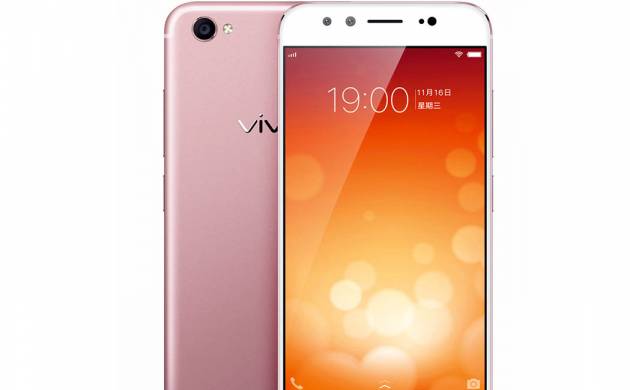
Vivo X9s And X9s Plus smartphones

VIVO अगले हफ्ते अपने दो नए स्मार्टफोन Vivo X9s और X9s Plus लॉन्च करने वाली है। जानकारी के मुताबिक कंपनी इन फोन्स को 6 जुलाई को लॉन्च करेगी। स्मार्टफोन्स के बारे में ज्यादा जानकारी नहीं मिल सकी है लेकिन उम्मीद की जा रही है कि Vivo X9s में उसके पुराने वेरिएंट की छाप होगी।
एक अंग्रेजी वेबसाइट टीना लिस्टिंग के मुताबिक, वीवो एक्स9एस प्लस में 5.85 इंच की फुल एचडी (1080*1920) की स्क्रीन दी गई होगी, साथ ही फोन को सुपरफास्ट बनाने के लिए इसमें 1.9 गीगाहर्ट्ज ऑक्टा-कोर प्रोसेसर के साथ 4GB रैम दी गई होगी. इस स्मार्टफोन में एंड्रॉयड का सबसे नवीनतम वर्जन 7.1.1 दिया होगा।
Vivo X9s के फीचर्स
1-5.85 इंच का फुल एचडी डिस्प्ले होगा।
2- 1.9 गीगाहर्ट्जज ऑक्टा कोर प्रोसेसर और 4 जीबी रैम होने की खबर है।
3-64 जीबी इंटरनल मेमरी होगी।
4-16 मेगापिक्सल का रियर कैमरा होगा और 5 मेगापिक्सल के दो सेल्फी सेंसर होंगे। 
5-3920mAh की बैटरी के साथ आएगा।

Honor Holly 3+ With 3GB RAM, 32GB Storage Launched at Rs. 12,999
After launching the Holly 3 in October, Huawei Terminal brand Honor has launched the Holly 3+ smartphone in India. The latest smartphone from the company seems to be identical to its predecessor in pretty much every way, except for memory and storage - which get a bump here. The smartphone is priced at Rs. 12,999 (MOP) and is available across India through offline channels.
The Honor Holly 3+ is pretty much identical to the Honor Holly 3 when it comes to specifications. It sports the same plastic back panel as the Honor Holly 3 and is likely to be patterned as well.
The dual-SIM Honor Holly 3+ features a 5.5-inch HD (720x1280 pixels) display and is powered by a 1.2GHz Kirin 620 octa-core CPU. The major difference here is that the Holly 3+ comes with 3GB of RAM and 32GB of inbuilt storage compared to the 2GB/ 16GB storage option for its predecessor. The storage can be expanded via a microSD card (up to 128GB). Notably, the latest model continues to run on EMUI 4.1 based on Android 6.0 Marshmallow instead of Nougat.
Camera specifications seem to be identical as well with a 13-megapixel rear sensor and an 8-megapixel front camera for selfies, both coming with f/2.0 apertures. Interestingly, despite the 'Plus' tag with the new model, Huawei hasn't bumped up the battery as one would generally expect. The Holly 3+ packs a similar 3100mAh battery that came along with the Holly 3. Sensors include accelerometer, proximity sensor, ambient light sensor, compass, and G-sensor.
Connectivity options include 4G VoLTE support, Wi-Fi 802.11 b/g/n, Wi-Fi Driect, Wi-Fi hotspot, Micro-USB, and Bluetooth v4.0. The Holly 3+ measures the same as its predecessor at 154x77.1x8.45mm and weighs 168 grams. As mentioned, the smartphone will be available through offline retailers, while the Holly 3 is available on Amazon India.

Affordable Project Fi phone
There aren’t a lot of verified hardware options out there if you want to use Google’s Project Fi service — you might have read some complaints along those lines before. Heck, there are more compatible tablets than smartphones. If you’re looking for a current phone to use with Project Fi, you’ve only got two choices: the Pixel or Pixel XL.

Those are both great phones, but they’re also pretty pricey. If you’d prefer a thriftier option, all you can do is look for one of the three older phones that are supported: the Nexus 5X, Nexus 6P, and Nexus 6. There’s one big downside to going down that path: Google won’t be offering any more OS updates after September of this year.
That may not be the case for much longer. Earlier today on Twitter the Project Fi account confirmed that one of Google’s wireless partners would be offering a more modestly-priced, device before the end of the year.
As far as which partner might be producing the device, that remains an unknown. There are rumors floating around that it could be an Android One phone from HTC, which certainly sounds plausible given HTC’s longstanding relationship with Google. One other possibility is this year’s version of the Moto X, which is expected you launch very, very soon.

LG V30 tipped to come without the secondary display
According to a report by XDA Developers, unlike its predecessors, the LG V30 wouldn't be arriving with a secondary ticker screen. While no official confirmation has been made yet, LG is rumored to employ a display with an aspect ratio of 18:9 on its upcoming flagship.

As of now, the authenticity of this claims is not determined. However, if the report turns out to be legit, then it might be the reason behind LG's decision to scarp the secondary display. 

It does makes sense since the taller display would allow for more room for users to interact with. However, the secondary screen was more than just a design aspect. It came with its own set of functionality. 

For example, the secondary display allowed users to have quick access to many apps. Moreover, it was also capable of displaying many useful information. 

Currently, we don't really see a solid reason for LG to drop the secondary screen. It really puzzles us why the company would do away with such an iconic feature. 

In any case, You must keep in mind that until we hear anything from LG itself, these rumors should be taken with a pinch of salt. To remind you, LG is one company that is not afraid of experimenting. The LG G6 came without the modular components of the LG G5. 

So there is chance that we won't get to see the secondary display on LG V30. Besides this, another report recently claimed that the LG V30 would flaunt a glass back and it might be launched with wireless charging support.

Google Triangle App Is Aimed at Helping You Save Mobile Data
Google has launched a new Triangle app that's aimed at save that precious mobile data from being wasted unnecessarily. The app is currently being tested only in the Philippines, and most of the features work only for Globe and Smart prepaid users only. This app is designed mainly for those regions where data caps are a big deal still – and optimum utilisation of data is essential.
The Triangle app sees your current data usage, looks at your data cap, checks data balance, and uses a feature called Data Saver to block unwanted data usage. In addition to individually blocking apps from using data, it even lets you set a time frame within which the apps can use data (10 to 30 minutes), after which they go back to not using any data.
It also allows Globe and Smart prepaid users to download and try new apps without risk of running out of data, and get extra data by using apps you have and love. This is obviously available for only select apps like Waze and Mobile Legends for now, and the extra data isn’t too much. For example, screenshots show about 10MB to 15MB of data rewards, and while that isn’t too much, you get what you take when you’re a prepaid customer.
The app also promises to give 100MB data as welcome gift to Philippine users after completing registration. "Get the most out of your mobile data pack. Triangle is a new app being tried out in the Philippines that helps you better manage your data usage and block unwanted background data," the Triangle app listing reads.
As mentioned, the app is being tested for now, but it will hopefully be released to a wider audience soon, with support for more networks. If you’re in the Philippines, download the app from Google Play Store, and if you live in other regions, you could try the APK Mirror, and let us know what features work in your region in the comments below.

WoW : इन दमदार फीचर्स के साथ सितंबर में लांच होगा Samsung का सबसे महंगा स्मार्टफोन Galaxy Note 8
दक्षिण कोरियाई कंपनी सैमसंग इलेक्ट्रॉनिक्स सितंबर में अपने फ्लैगशिप गैलेक्सी नोट 8 को लांच करने की तैयारी कर रहा है. यह फोन कैसा होगा, किन फीचर्स से लैस होगा, यह जानने की जिज्ञासा सब में है.

ऐसे में पिछले कुछ दिनों से गैलेक्सी नोट 8 स्मार्टफोन को लेकर कुछ बातें वेब मीडिया पर चल रही हैं. कुछ वेबसाइट्स ने इसके फीचर्स को लेकर कई दावे भी किये हैं.

बताते चलें कि इन दिनों सैमसंग को टक्कर देने के लिए कई कंपनियां बाजार में उतर आयी हैं. इससे स्मार्टफोन मार्केट में सैमसंग की हिस्सेदारी काफी हद तक प्रभावित हुई है.

और ऐपल तो उसका प्रतिद्वंद्वी लंबे समय से रहा है. ऐसे में जाहिर है इस प्रतिस्पर्द्धा में आगे निकलने की फिराक में सैमसंग कुछ बड़ा करने की तैयारी में है.
ऐसे में खबरें आ रहीं हैं कि ऐपल को टक्कर देने के लिए सैमसंग अपने सबसे महंगे फोन गैलेक्सी नोट 8 को सितंबर में लांच कर सकती है. बताते चलें कि पहले अगस्त में इसकी लांचिंग का अनुमान लगाया गया था.
मीडिया रिपोर्ट्स के मुताबिक, सैमसंग गैलेक्सी नोट 8 को सितंबर में अगले आईफोन की लांचिंग के साथ ही करेगा. बताते चलें कि नया आईफोन एमोलेड डिस्प्ले और आईओएस 11 के साथ लांच हो रहा है.
रिपोर्ट्स के मुताबिक, सैमसंग की आगामी गैलेक्सी नोट की कीमत कंपनी के अब तक की सर्वाधिक महंगी कीमत 900 यूरो हो सकती है. दिलचस्प यह है कि अगला आईफोन भी ऐपल का अब तक का सबसे महंगा आईफोन होगा, जिसकी कीमत 1,000 डॉलर होगी.
बात करें गैलेक्सी नोट 8 के फीचर्स की, तो इसमें 6.2 इंच का डिस्प्ले, डुअल कैमरा, 3300 एमएएच की बैटरी, एक्सीनॉस 8895 या क्वॉलकॉम स्नैपड्रैगन 835 प्रोसेसर और 6 जीबी रैम होगा.
इसके अलावा, यह फोन ज्यादा एफिशिएंट स्प्लिट स्क्रीन मल्टीटास्किंग, एस पेन स्टाइलस से लैस है. तसवीरों के मुताबिक, फोन के निचले हिस्से में स्टाइलस को जगह दी गयी है.
गैलेक्सी नोट 8 के डुअल कैमरा सेटअप में एक सेंसर 12 मेगापिक्सल का है और दूसरा सेंसर 13 मेगापिक्सल का. यह 3X ऑप्टिकल जूम को सपोर्ट करेगा. यह डुअल 6पी लेंस के साथ आयेगा और डुअल ओआईएस को सपोर्ट भी करेगा.
सैमसंग गैलेक्सी नोट 8 का डुअल कैमरा सेटअप आईफोन 7 प्लस के डुअल कैमरा से भी बेहतर होगा.

अब जल्द ही WhatsApp से भी होगा पैसा ट्रांसफर, ये है योजना
जल्द ही व्हाट्सएप भारत में अपने इंस्टेंट पेमेंट सर्विस को शुरू करने जा रहा है। अपने प्लेटफॉर्म पर यूनिफाइड पेमेंट इंटरफेस (यूपीआई) शुरू करने की शुरुआत में वॉट्सएप स्टेट बैंक ऑफ इंडिया, राष्ट्रीय पेमेंट्स कॉरपोरेशन ऑफ इंडिया जैसे वित्तीय संस्थान से विचार विमर्श कर रहा है। 

जानकारी के लिए बता दें कि रिजर्व बैंक ऑफ इंडिया के पूर्व गवर्नर रघुराम राजन ने यूपीआई सर्विस की शुरुआत 2016 में की थी। जिससे यूजर्स मोबाइल प्लेटफॉर्म के जरिए दो बैंकों के बीच इंस्टेंट फंड ट्रांसफर करने की सुविधा मिल सके। 

बता दें कि कंपनी के ऑफिशियल का कहना है कि जैसे मेसेंजर पर मैसेज इंस्टेंट पहुंच जाता है वैसे ही यूपीआई दो अकाउंट होल्डर के बीच इंस्टेट फंड ट्रांसफर करने का काम करेगा। 

गौरतलब है कि हाल ही में भारतीय मैसेजिंग ऐप हाइक ने भी इलेक्ट्रॉनिक पेमेंट वॉलेट पेश किया है। यह भारत का पहला मैसेजिंग ऐप पेमेंट वॉलेट है। हाईक के भारत में 100 मिलियन रजिस्टर्ड यूज़र्स हैं, यह दिसंबर 2012 में लॉन्च किया गया था।  

भारती सॉफ्टबैंक, टैंसेंट और टाइगर ग्लोबल में 260 मिलियन डॉलर का इन्वेस्टमेंट किया गया है यह जापान की सॉफ्टबैंक और भारती एंटरप्राइज की ज्वाइंट वेंचर है।

5000mAh बैटरी वाला Turbo 5 लॉन्च, जानें कीमत
स्मार्टफोन बनाने वाली कंपनी InFocus ने आज भारत में अपना नया स्मार्टफोन 'टर्बो 5' लॉन्च किया है। कंपनी ने नई दिल्ली में आयोजित एक इवेंट में इस स्मार्टफोन से पर्दा उठाया। इस स्मार्टफोन की खासियत इसकी 5000mAh की पावरफुल बैटरी है। स्मार्टफोन को एक्सक्लूसिव तौर पर ई-कॉमर्स वेबसाइट ऐमजॉन इंडिया पर 4 जुलाई से बेचा जाएगा। जानें इसके स्पेसिफिकेशंस और कीमत...

स्मार्टफोन में 5.2 इंच का HD IPS डिस्प्ले है, जिसका रेजॉलूशन 1280 x 720 पिक्सल्स है। कंपनी ने इसके 2 वेरियंट 2GBRAM/16GB इंटरनल स्टोरेज और 3GBRAM/32GB इंटरनल स्टोरेज पेश किए है। इसके 2जीबी रैम वाले वेरियंट की कीमत 6,999 रुपये और 3जीबी रैम वाले वेरियंट की कीमत 7,999 रुपये हैं। इसमें 1.25 GHz क्वॉड कोर मीडियाटेक MT6737 प्रोसेसर लगा है। ग्राफिक्स के लिए माली टी720 एमपी1 जीपीयू इंटीग्रेटेड है। 

कैमरे की बात करें तो इसमें 13 मेगापिक्सल का ऑटोफोकस रियर कैमरा LED फ्लैश के साथ है। वहीं फ्रंट के लिए इसमें 5 मेगापिक्सल का कैमरा दिया गया है। यह फोन ऐंड्रॉयड 7.0 नॉगट पर रन करेगा। कनेक्टिविटी के लिए इसमें 4G VoLTE, ब्लूटूथ 4.0, वाई-फाई, GPS/A-GPS और माइक्रो USB 2.0 पोर्ट है। वहीं, इसके बैक साइड पर फिंगरप्रिंट स्कैनर है। कंपनी ने इस हैंडसेट को मोका गोल्ड और प्योर गोल्ड कलर में उपलब्ध कराए जाने की बात कही है।

GFXBench पर नजर आया असुस Zenfone 4 Selfie स्मार्टफोन, जानें स्पेसिफिकेशन और फीचर्स
ताइवान की स्मार्टफोन निर्माता कंपनी असुस ने इस साल अपना नया स्मार्टफोन Zenfone AR को पेश किया गया था। असुस Zenfone AR दुनिया का पहला स्मार्टफोन था जिसे 8जीबी रैम के साथ पेश किया गया था। वहीं, Zenfone AR स्मार्टफोन में VR और AR सपोर्ट दिया गया है। अब खबर है कि कंपनी Zenfone AR के अलावा Zenfone 4 सीरीज पर भी काम कर रही है। असुस Zenfone 4 स्मार्टफोन से जुड़ी नई लीक सामने आ रही है।
इस स्मार्टफोन के बारे में जानकारी बेंचमार्किंग साइट GFXBench पर दी गई है, जिसमें फोन के स्पेसिफिकेशन और फीचर्स के बारे में बताया गया है। लीक के माध्यम से पता चला है कि Z01M असुस Zenfone 4 Selfie स्मार्टफोन है।
लिस्टिंग के अनुसार, असुस Zenfone 4 Selfie स्मार्टफोन में एंड्राइड 7.1.1 नौगट दिया जा सकता है। इस स्मार्टफोन में 5.5-इंच का(1920 x 1080 पिक्सल) रिजॉल्यूशन डिसप्ले दिया जा सकता है। असुस Zenfone 4 Selfie स्मार्टफोन में 2.0-गीगाहर्टज दिया जा सकता है।
इस स्मार्टउोन में स्नैपड्रैगन 625 या फिर 626 प्रोसेसर दिया जा सकता है। साथ ही ग्राफिक्स के लिए Adreno 506 GPU दिया जा सकता है। असुस Zenfone 4 Selfie स्मार्टफोन में 4जीबी रैम के साथ 32जीबी इंटरनल मैमोरी दी गई है। वहीं, माइक्रोएसडी कार्ड के माध्यम से डाटा स्टोर किया जा सकता है।
असुस Zenfone 4 Selfie स्मार्टफोन में फोटोग्राफी के लिए 15-मेगापिक्सल का रियर कैमरा दिया जा सकता है। वहीं, वीडियो कॉलिंग और सेल्फी के इस स्मार्टफोन में 11-मेगापिक्सल का फ्रंट कैमरा दिया जा सकता है। माना जा रहा है कि यह स्मार्टफोन मिड-रेंज में पेश किया जा सकता है।
वहीं, गिजमोचाइना पर असुस की ऑफिशियल साइट के माध्यम Zenfone 4 सीरीज स्मार्टफोन के बारे में जानकारी दी गई है। जिसके मुताबिक Zenfone 4 सीरीज में Zenfone 4 Max, Zenfone 4 Pro, Zenfone 4 Selfie, Zenfone 4 (ZE554KL) और Zenfone 4V शामिल हैं। इसके अलावा लीक्स्टर Roland Quandt‏ द्वारा भी ट्विटर पर Zenfone 4 सीरीज स्मार्टफोन का लाइनअप शेयर किया गया। हालांकि इनके स्पेसिफिकेशन और फीचर्स के बारे में जानकारी नहीं दी गई है। हालांकि इससे पहले असूस के यह नए डिवाइस टीना पर लिस्ट हो चुके हैं।

Qualcomm, Vivo show off slow but convenient under-display fingerprint sensor
The next wave of fingerprint readers on smart devices could be more inconspicuous than they are now. Earlier this year, Synaptics announced a new range of fingerprint sensors that can be integrated under polymers, ceramics, and glass, potentially providing more functions to Android soft buttons. Rumor has it that Apple has also been experimenting specifically with under-display fingerprint readers, and that's the area that Qualcomm has been focusing on as well. At Mobile World Congress Shanghai, the chip maker showed off its first ultrasonic-based, under-display fingerprint sensors in a prototype of the existing Vivo Xplay6 smartphone.

The technology built into this prototype allows the bottom-third of the smartphone's display to act as the fingerprint reader and unlock the device. As demonstrated in a hands-on demo by Engadget, you simply press your thumb to the display and the device unlocks within a second or so of reading your fingerprint. It doesn't appear to be a speedy as traditional smartphone fingerprint sensors, but that's not surprising since the technology is still in its infancy and hasn't yet been incorporated into any consumer devices.

According to Vivo, the technology could be built out so the entire display could act as a fingerprint sensor. However, that will up the production costs dramatically. Engadget's report says that Vivo could eventually spread the technology through the bottom half of the display rather than just a small portion close to the bottom edge.

Qualcomm lays out the parameters for its "Fingerprint Sensor for Display" technology in a press release: it's built to detect fingerprints through OLED displays up to 1200µm, while its "Fingerprint Sensors for Glass and Metal" technology can detect input through cover glass up to 800µm and through aluminum up to 650µm.

The technology is built to better identify fingerprints even when obstructed with dirt or sweat, and it can be used underwater as well. Engadget tested what appears to be an under-metal fingerprint sensor on a submerged smartphone. This sensor, placed on the back of the handset, unlocked the device and immediately opened the camera app.

Qualcomm's under-display fingerprint technology certainly looks promising, but it has a long way to go before it replaces the ubiquitous traditional fingerprint readers. Speed will certainly be an issue to work on going forward, as will the ideal spacial implementation. A smartphone that has an entire display ready to unlock at the slightest touch of your thumb is hardly safe or convenient, so OEMs will have to experiment to find the best fingerprint sensor-to-display ratio that's both practical and cost-effective. Qualcomm's new glass and metal fingerprint sensor technology is slated to be available to OEMs later this month, while the display technology won't ship to OEMs until the fourth quarter of 2017.

Author Name

Contact Form

Name

Email *

Message *

Powered by Blogger.