Jeep Compass
Jeep took a really long time to kick off their Indian voyage and after the launch of the Wrangler and the Grand Cherokee, it seems that the American SUV maker has unfurled all its sails. Jeep has declared that an entirely new compact SUV would be assembled and exported from India as a part of the ‘Make in India’ campaign. The compact SUV, codename 551, will be called the Jeep Compass and can be expected to be launched in India by the July 2017.

The Compass has been designed to look like a baby Grand Cherokee with influences from the Jeep Renegade. It gets the typical vertically slatted wide grille, the high mounted headlamps and the macho front bumper with the blacked out bash plate. The side profile gets a prominent shoulder line, squared wheel arches and a thick D-pillar to complete the twin-cab five seater SUV look. The clear lens tail lamps in the back look sporty complementing the decked up tailgate and large bumper.
While the Compass is set to get about 17 powertrain options globally, for India we will have the 170bhp 2.0-litre Multijet II engine from Fiat to power the Jeep. It also has a petrol engine option – the 1.4-litre T-Jet engine from Fiat that develops over 160bhp of power. Both the engines will come mated to a seven-speed automatic gearbox and you can opt for the famed Jeep four-wheel drive system.
We are yet to get a peek into the production-spec interiors but being a premium brand, you can expect the feature-list to be akin to a luxury SUV. As for the safety, the Jeep will get dual-front airbags as standard along with ABS and EBD. The higher-spec trims might get more airbags and the automatic versions will get ESP.
The Jeep Compass is expected to be budget car starting at about Rs 16 lakh, ex-showroom, Delhi and will extend up to Rs 25 lakh for the top-spec Compass. At this price, it goes against the Hyundai Tucson, the Honda CR-V and the Skoda Yeti amongst the five-seater premium SUVs.
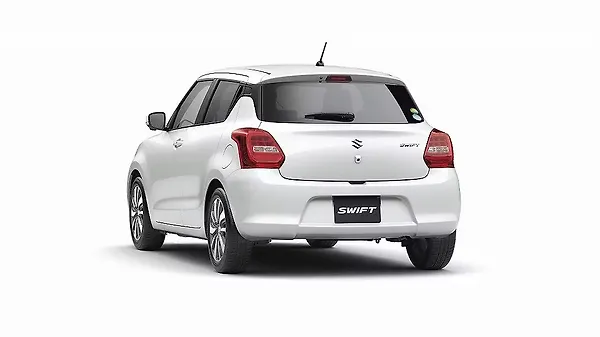
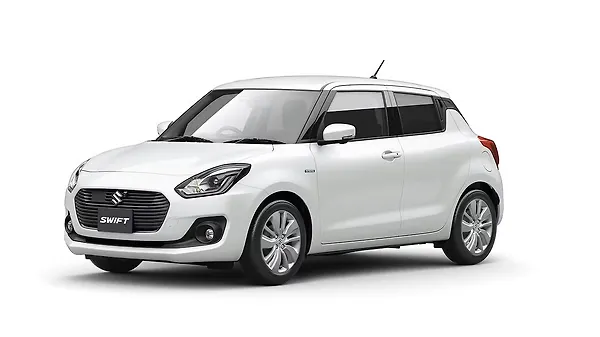 The exterior of this new generation Swift has been updated in the form of a revised fascia which gets sleeker headlamps, revised grille and a sporty bumper which has a recessed front air intake. There is a sense of familiarity when you move to the side as the side profile is more or less the same since this version of the Swift was launched in 2004. At the back we can see a new wrap around design for the tail lamps, chunky bumper and slightly lowered roofline to give the car a sporty appearance.
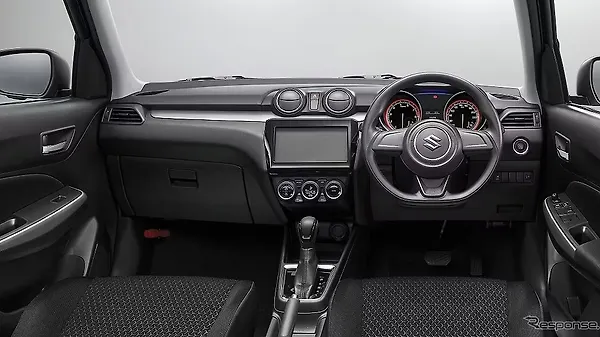
 Step inside and you are greeted by a black and grey cabin with the seats getting contrast coloured bases. The feature list on the Japanese car is quit extensive and includes things like a touchscreen infotainment system with reversing camera, climate control and leather upholstery. We in India are expected to get a slightly toned down cabin with a locally sourced infotainment system, pseudo leather trim and climate control only for the higher spec models.
 On the engine and gearbox front, this car will be offered with the 1.2-litre petrol, 1.3-litre diesel and possibly at least one version that will make use of the RS spec 1.0-litre three-cylinder petrol engine. The standard 1.2-litre unit is a four-cylinder engine producing 83/115Nm while the diesel (also a four-pot) produces 75bhp/190Nm. Finally the RS variant’s engine will produce 110bhp/170Nm. A five-speed manual will be standard for all model while normal models will also get the option of an AMT.
 Updates will include a new front end which will get new Q7 treatment that includes a more angular headlight and a new chrome grille. Expect minor changes to the bumper and refreshed tail lights as well. The interiors will follow suite, again with a Q7 like theme. Expect the car to be fully loaded with all the connectivity options and safety features as well.
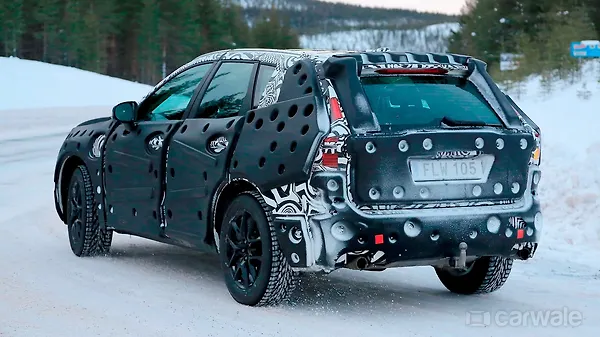
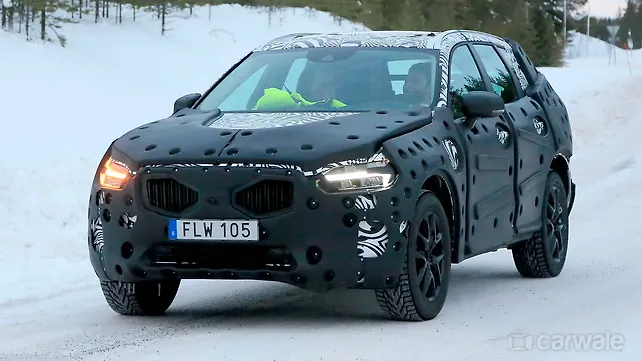 Spy pictures reveal that this new vehicle will mimic the same design as the larger XC90 but obviously with a slight reduction in size. The face will get the Thor hammer headlamps, bow tie grille and high bonnet. Moving over to the side, we can see the familiar Volvo SUV silhouette as well as the design of the wheels which in this case adhere to the R-Design philosophy. Noticeable elements at the rear include the boomerang shaped tail lamps, forward sloping glass area and high bumpers.
 Given the success of the XC90’s cabin design, we believe that the XC60 too will adapt a similar philosophy in terms of appearance and features though in a slightly toned down mode to keep a difference between both vehicles. We believe that it will get the same infotainment system but with a smaller screen as compared to the XC90.
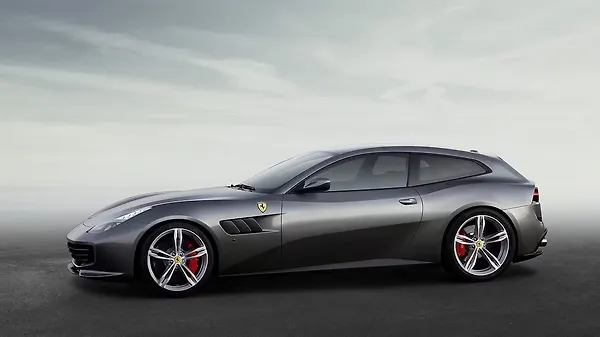
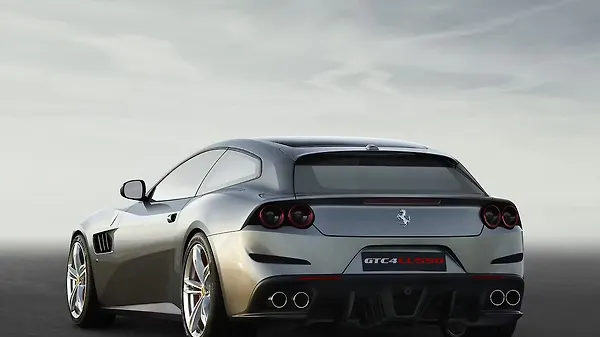
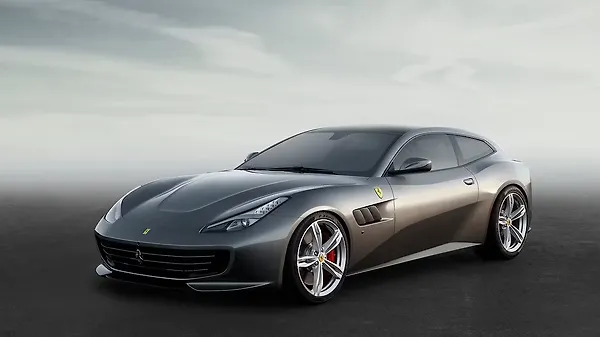 The front fascia is dominated by a wide single-piece horizontally slatted air dam that extends across the width of the car with the prancing horse emblem in the centre. The Ferraro 458 style headlamps are swept back on the contoured hood with flared fenders on the side. Moving on to the side, the Ferrari has the familiar low slung profile with large alloy wheels filling up the wheel arches. The long hood is complemented by the breathing gills on the fenders. The raked windshield means a low slung roof that almost extends to the back of the car – typical for shooting brakes. The tail is also as dramatic as the whole car with the tapering cabin, wide rear bumper with rear splitter and the quad exhausts.
 Wrapped in leather the function-focussed interior of the Ferrari GTC4 Lusso is exquisite especially with the carbon fibre inlays. Like all grand tourers, it gets a touch-screen infotainment system, climate control, power adjustable front seats et al. The three spoke steering wheel gets the typical flurry of switches that can control everything from driving modes, car setup and gear shifts along with Bluetooth telephony. The instrument cluster has the rev counter taking centre stage while speed and other vitals are displayed on the two TFT screens around the tachometer. Even the co-driver gets a peek at exactly how fast you are driving through a screen embedded in the dashboard displaying rpm, speed and the gear you are driving in.
 The GTC4 Lusso is powered by the massive 6.3-litre Ferrari V12 that produces 680bhp of power and 697Nm of torque. The naturally aspirated mill powers the Ferrari past 100kmph in almost 3.5 seconds to a top speed of 345kmph. It also gets an improved version of the dual-gearbox four-wheel-drive setup from the FF along with four-wheel-steering as well.