Fiat Tipo Expected Price: 8 - 13 Lakhs
Fiat will replace the ageing Linea sedan next year. Its successor is likely to be this new machine called the Egea, a premium C-segment sedan which was shown as the Aegea concept car earlier this year and has now been christened the Egea. Globally it replaces the Bravo and has already been put into production at Fiat’s plant in Turkey for a majority of LHD markets.
 Exterior
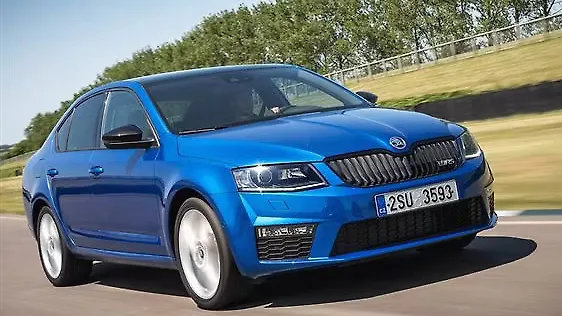
Fiats have always been known to make good looking cars and this one, the Egea seems to be no less. The front is dominated by a new ‘in your face chrome grille’ which has the familiar Fiat logo right in the middle.
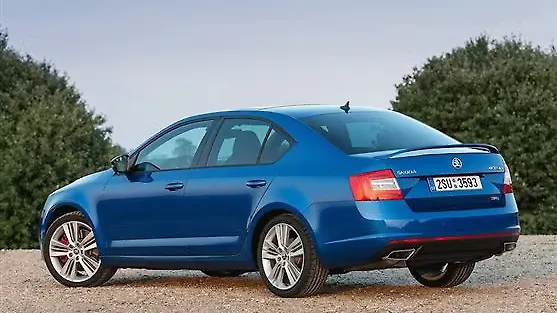
The bonnet gets some muscular bulges while the headlamps are shaped like thin battle axes and add quite a bit to the face of the car. Move over to the side and you can see the familiar Fiat sedan lines thanks to the strong shoulder line and softly flared wheel arches. At the rear we can see the wrap around tail lamps and chrome strip above the number plate slot.
Interior
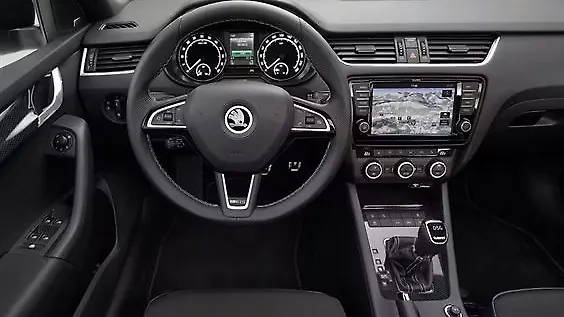
The cabin seems to be more of an updated affair rather than a completely new design. It includes elements like a completely new instrument cluster, infotainment system and climate control with physical knobs. Given its size and length, we expect that it will be quite spacious at the rear and will be sold with accessories like rear AC vents, 12V socket, sun shades and arm rest with storage space. There is also a possibility that a screen may be included as an optional extra.
Engine and gearbox
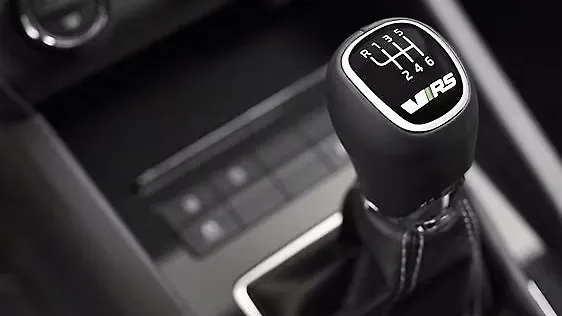
On the engine front, the Egea will be offered with four engines- two petrol and two diesels. The former is expected to include the 1.4-litre Twinair and most likely the 1.4-litre TJet petrol for markets like India. On the diesel front, the engines are expected to be the 1.3-litre Multijet as well as a 1.6-litre Multijet. Transmission options are expected to include a six-speed MT as well as a six-speed AT.
Competition
Expect an India launch for the Egea during this time next year though we suspect that it will have a different name. It will be their C-segment competitor and will replace the current Linea which is then expected to replace the Linea Classic as has been the case with the current cars. It will be priced in the current car’s bracket and compete with vehicles like the Honda City, Nissan Sunny, Maruti Suzuki Ciaz, Hyundai Verna and the Renault Scala.
ExteriorFiats have always been known to make good looking cars and this one, the Egea seems to be no less. The front is dominated by a new ‘in your face chrome grille’ which has the familiar Fiat logo right in the middle.
The bonnet gets some muscular bulges while the headlamps are shaped like thin battle axes and add quite a bit to the face of the car. Move over to the side and you can see the familiar Fiat sedan lines thanks to the strong shoulder line and softly flared wheel arches. At the rear we can see the wrap around tail lamps and chrome strip above the number plate slot.
Interior
The cabin seems to be more of an updated affair rather than a completely new design. It includes elements like a completely new instrument cluster, infotainment system and climate control with physical knobs. Given its size and length, we expect that it will be quite spacious at the rear and will be sold with accessories like rear AC vents, 12V socket, sun shades and arm rest with storage space. There is also a possibility that a screen may be included as an optional extra.
Engine and gearbox
On the engine front, the Egea will be offered with four engines- two petrol and two diesels. The former is expected to include the 1.4-litre Twinair and most likely the 1.4-litre TJet petrol for markets like India. On the diesel front, the engines are expected to be the 1.3-litre Multijet as well as a 1.6-litre Multijet. Transmission options are expected to include a six-speed MT as well as a six-speed AT.
Competition
Expect an India launch for the Egea during this time next year though we suspect that it will have a different name. It will be their C-segment competitor and will replace the current Linea which is then expected to replace the Linea Classic as has been the case with the current cars. It will be priced in the current car’s bracket and compete with vehicles like the Honda City, Nissan Sunny, Maruti Suzuki Ciaz, Hyundai Verna and the Renault Scala.
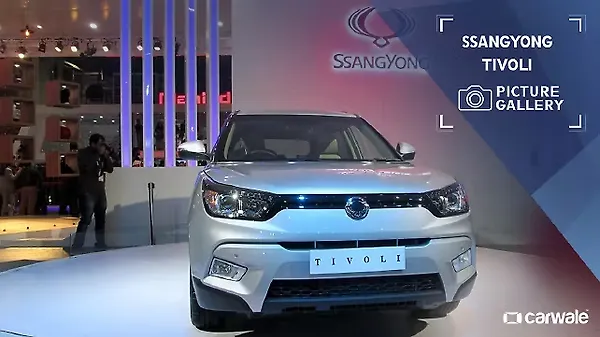 The Ssangyong Tivoli looks its part as an SUV with the decked up bonnet and the LED DRL eyebrows on the projector headlamps. The flared wheel arches, a tall shoulder line and the twin box cabin impart the right stance for the compact SUV. The tail is simple and yet looks interesting thanks to the LED tail lamps.
 Till now, the test mule has been spotted just once and it does give away the monocoque chassis. It seems to be a full-size seven seater van ready to take on the likes of the Toyota Innova Crysta and the Tata Hexa albeit for lesser money. What we do not know is if it would sit on par or below the XUV500.
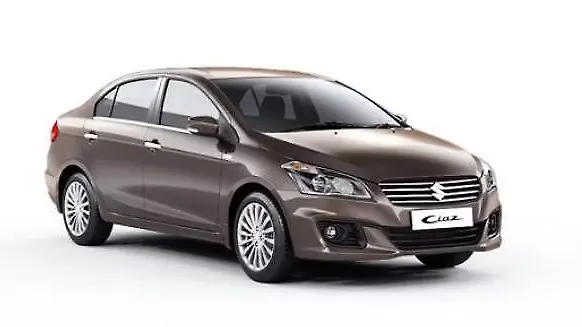 Being a mid-life update, the changes are more or less cosmetic. We haven’t spotted the test mules yet which means the launch would certainly be in the latter half of the year. Going by the segment standards, the Ciaz facelift will get LED Daytime running lamps and projector headlamps at least on the higher-spec trims. The bumpers will be tweaked along with the grille for a fresher look and we hope the Honda City-ish tail lamps go under the knife.
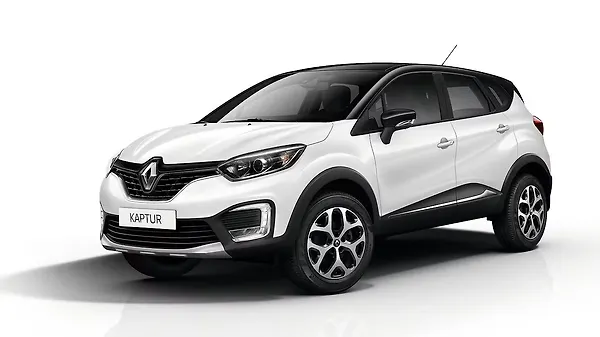 The Kaptur is about 4.3m long which is the same length as the Duster. Which means, the five-seater crossover will be as spacious as the Duster and the lower height means it will be more of an S-Cross competitor than a Creta competitor. Looking at the interior of the new Duster, Renault seems to have learnt what sells in the subcontinent and the Kaptur will come fully loaded with all the necessary features. It might have the residual French quirks in its design, but if it has the space and features needed, we wouldn’t mind.
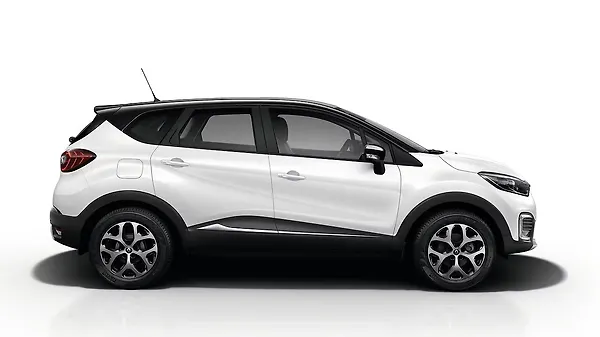 The Kaptur gets the latest Renault signature fascia of a smiley grille with horizontal slats and a chrome lined lower half. The headlamps sweep back on the contoured front and the air dam gets its lower half blacked out with horizontal slats for a sporty look. It gets projector headlamps and bumper mounted LED DRLs. Being a crossover, peripheral cladding is a must and the slightly flared wheel arches with give it a butch look. Tail design is simple but contoured with LED tail lamps and a blacked out lower half of the bumper.
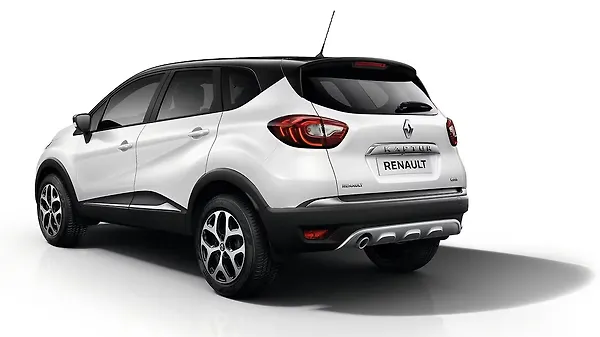 As for the engines, you will have the 1.5-litre dCi turbocharged four cylinder diesel engine powering the front wheels of the Kaptur. The 1.5-litre mill is offered with the Duster in two states of tune – 84bhp and 108bhp and will most probably be the same on the Kaptur along with the five and six-speed gearboxes. The petrol mill will be the 1.6-litre 102bhp four cylinder engine also from the Duster. There is also a fair chance of the Kaptur getting the AWD like the Duster.