Land Rover Range Rover Velar Expected Price: 80 - 90 Lakhs
Land Rover has raised the curtains from over the new Range Rover Velar. The fourth Rangie on the block will find itself stacked above the Range Rover Evoque and below the Range Rover Sport. Here is all you need to know about the new Range Rover Velar.
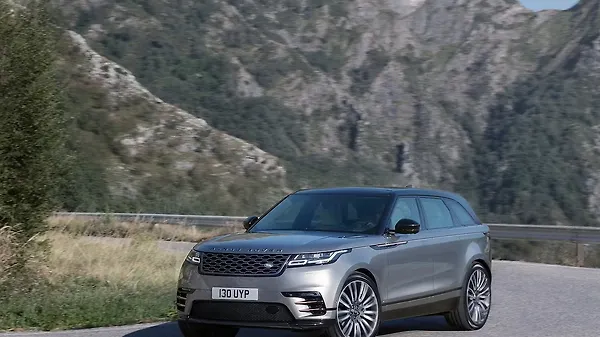
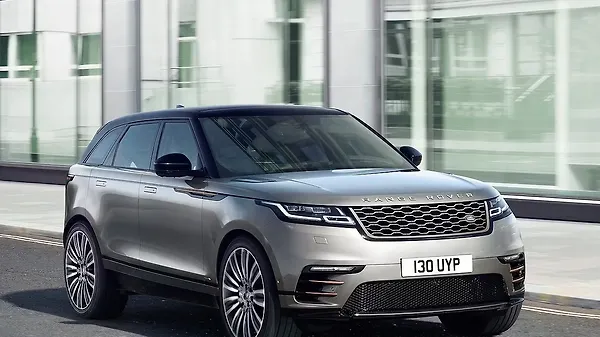
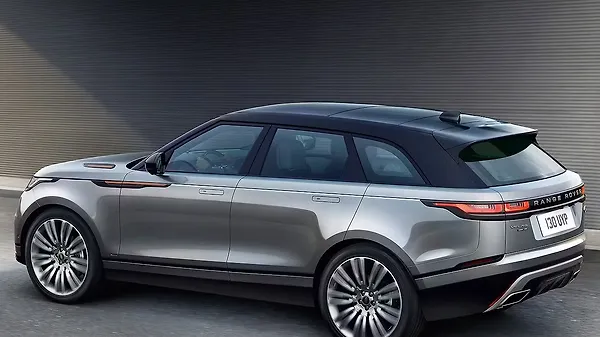
The Velar is just like every other Range Rover – big but suave. The fascia is daunting with the high mounted honey-mesh grille and the sweptback signature Range Rover headlamps. The bi-Xenon LED headlamps get the signature LED daytime running lamps. The profile is typical Rangie with big doors, a distinct shoulder line that extends all the way to the back and the blacked out pillars and roof. It gets the large 22-inch wheels filling up the flared arches and the upswept rear overhang complemented by the sloping roof and the raked D-pillar.
Land Rover has always kept their interiors minimalist and simple. They do get all the creative comforts that you need to pamper yourself but packaged in an understated manner. To start with it gets the new state-of-art Touch-Pro Duo infotainment system. Like your smartphone, you can swipe, pinch to zoom and touch-scroll to navigate through the menus. The dual-tone dashboard is wrapped in leather and is split by a recess that doubles up as cubby holes and also houses the AC vents. The five-seater SUV gets a panoramic sunroof, individual zone climate control, power adjustable front seats and reclining seats in the back as well.
The entry-level Velar, when it comes to India, will get the 247bhp/365Nm petrol engine from the Jaguar XE along with the 237bhp Ingenium diesel that develops 500Nm of torque. Like the F-Pace, the Velar will also get the 3.0-litre turbocharged diesel engine that develops 295bhp of power and a whopping 700Nm of torque – one of the highest in its class. If you are a petrol purist you might get the 3.0-litre supercharged petrol V6 option that develops 385bhp of power and 450Nm of torque. All the engines will come mated to the eight-speed automatic gearboxes and drive all-four wheels through the highly efficient torque-on demand-systems. It gets an intelligent and efficient torque on-demand all-wheel-drive (AWD) system along with Land Rover’s famous Terrain Response system that allows the driver to adjust vehicle settings to suit prevailing surface conditions, with a choice of Eco, Comfort, Grass-Gravel-Snow, Mud-Ruts, Sand, and Dynamic mode.
The Range Rover Velar will sit between the Range Rover Evoque and the Range Rover Sport which means a price tag ranging between Rs 80 lakh to Rs 90 lakh ex-showroom, Delhi. It will be positioned above the Jaguar F-Pace for sure and should ideally undercut the upcoming new Land Rover Discovery which might undercut the Sport to start with.
At the Rs 80 lakh price tag, you can get yourself the Mercedes GLS, the BMW X5, the Volvo XC90 R-Design (whenever it comes) and the Audi Q7. While most of these are top-of-the-line seven-seaters from the competition, hardly any one of them might be able to match the Velar’s capabilities.
The Velar is just like every other Range Rover – big but suave. The fascia is daunting with the high mounted honey-mesh grille and the sweptback signature Range Rover headlamps. The bi-Xenon LED headlamps get the signature LED daytime running lamps. The profile is typical Rangie with big doors, a distinct shoulder line that extends all the way to the back and the blacked out pillars and roof. It gets the large 22-inch wheels filling up the flared arches and the upswept rear overhang complemented by the sloping roof and the raked D-pillar.
Land Rover has always kept their interiors minimalist and simple. They do get all the creative comforts that you need to pamper yourself but packaged in an understated manner. To start with it gets the new state-of-art Touch-Pro Duo infotainment system. Like your smartphone, you can swipe, pinch to zoom and touch-scroll to navigate through the menus. The dual-tone dashboard is wrapped in leather and is split by a recess that doubles up as cubby holes and also houses the AC vents. The five-seater SUV gets a panoramic sunroof, individual zone climate control, power adjustable front seats and reclining seats in the back as well.
The entry-level Velar, when it comes to India, will get the 247bhp/365Nm petrol engine from the Jaguar XE along with the 237bhp Ingenium diesel that develops 500Nm of torque. Like the F-Pace, the Velar will also get the 3.0-litre turbocharged diesel engine that develops 295bhp of power and a whopping 700Nm of torque – one of the highest in its class. If you are a petrol purist you might get the 3.0-litre supercharged petrol V6 option that develops 385bhp of power and 450Nm of torque. All the engines will come mated to the eight-speed automatic gearboxes and drive all-four wheels through the highly efficient torque-on demand-systems. It gets an intelligent and efficient torque on-demand all-wheel-drive (AWD) system along with Land Rover’s famous Terrain Response system that allows the driver to adjust vehicle settings to suit prevailing surface conditions, with a choice of Eco, Comfort, Grass-Gravel-Snow, Mud-Ruts, Sand, and Dynamic mode.
The Range Rover Velar will sit between the Range Rover Evoque and the Range Rover Sport which means a price tag ranging between Rs 80 lakh to Rs 90 lakh ex-showroom, Delhi. It will be positioned above the Jaguar F-Pace for sure and should ideally undercut the upcoming new Land Rover Discovery which might undercut the Sport to start with.
At the Rs 80 lakh price tag, you can get yourself the Mercedes GLS, the BMW X5, the Volvo XC90 R-Design (whenever it comes) and the Audi Q7. While most of these are top-of-the-line seven-seaters from the competition, hardly any one of them might be able to match the Velar’s capabilities.
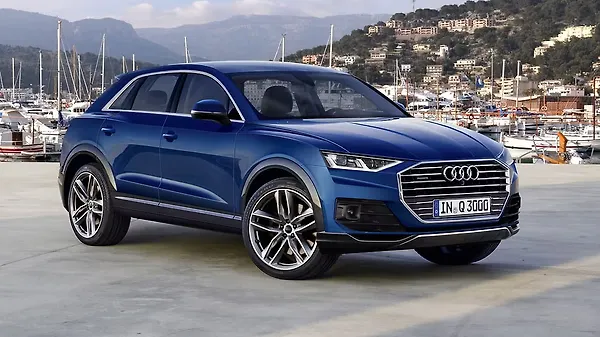
 Exterior
 The Range Rover update will be a cosmetic one and will carry forward the new styling trend set off by the Range Rover Evoque. The corners have been rounded and it now gets a raked fascia with signature LED DRLs. The DRLs might be tweaked for a fresher look along with the grille. The design of the alloys will be tweaked and so will be the tail lamp internals. The new Range Rover was built on a new chassis with fused materials to reduce the weight by about 400 kg to keep the weight in check and hence there would hardly be any changes to the mechanicals.
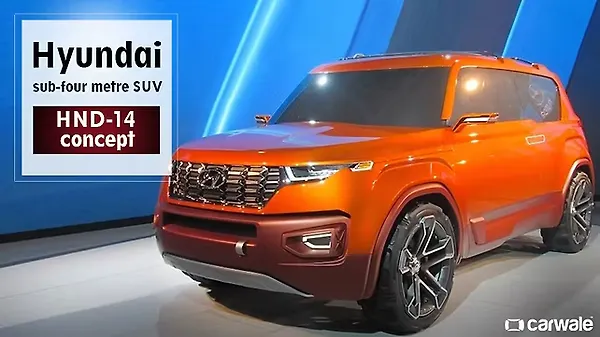 The HND-14 concept on display was more of a design study but had all the elements to make an impressive sub-four metre SUV. The high bonnet and the square lines give it the SUV look. The slightly flared wheel arches housing those large chunky wheels looked in place. While the production car will not be as loud, it certainly will take a lot of cues from the handsome concept.
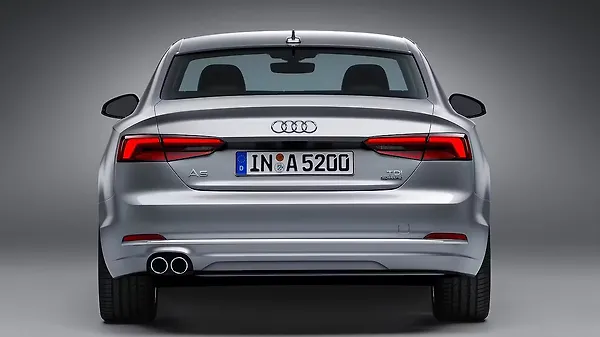
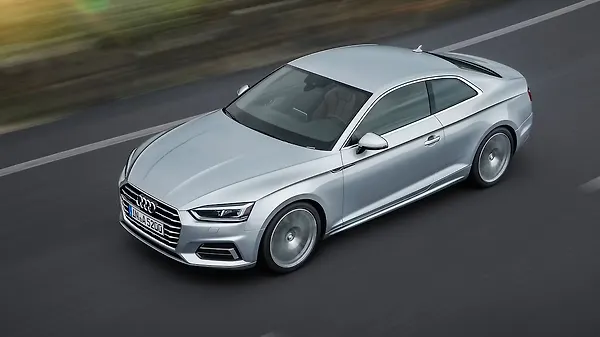 If not evident yet, the A5 has two body shells – the two-door Coupe and the four-door Sportback. And then depending upon the performance it packs we have the regular A5, the madder S5 and the insane RS5. While the S5 is available in both body shells, the last RS5 was a two-door Coupe.
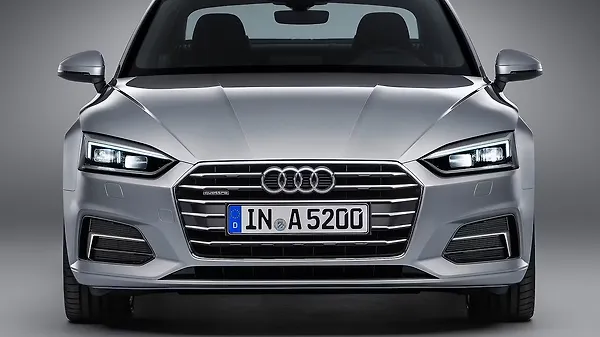 The new generation A5, like other next-gen Audis, looks almost the same as its predecessor. But looks apart, there is almost nothing that gets carried over in the new generation car. In case of the Coupes, the A5 is now longer, thanks to the longer wheelbase, and wider. Inherently, the cabin has become more spacious and the boot has grown by 10 litres to 465 litres. Owing to the multi-material approach in building the car, Audi has saved about 60 kg weight in the new Coupes.
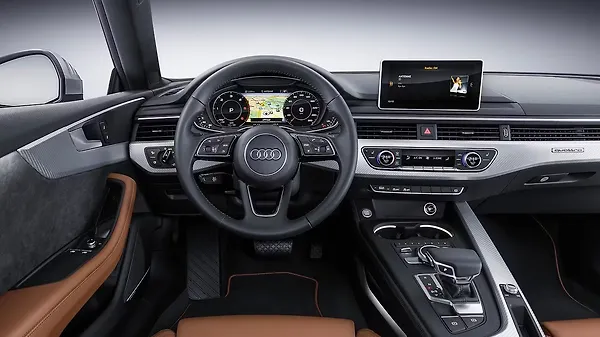 Along with a new set of engines – three diesel and two petrol engines, the A5 now features virtual cockpit and the MMI Touch along with the standard creature comforts of luxury sedans. The engines develop power between 185bhp and 280bhp with over 15 per cent better performance and 20 per cent better fuel economy. The S5 is powered by the 345bhp forced induction 3.0-litre V6 petrol engine and drives all four wheels.